Power Tools Crack When Dropped? How High-Impact Toughened Nylon Survives 1.5 m Drops
Abstract
Power tools may be among the most “drop-sensitive” consumer-grade industrial products. Drills, angle grinders, electric screwdrivers, and other tools are constantly subjected to rough handling on construction sites, in workshops, and during home renovation. Once the housing cracks, the consequences range from compromised grip feel and appearance to loss of protection for the internal motor and battery pack, potentially leading to direct scrapping of the entire tool. For power tool manufacturers, housing cracking means not only persistently high repair rates but also dual pressure from after-sales costs and brand reputation. The root cause often lies not in structural design but in the material: ordinary nylon is insufficiently toughened and cannot withstand the impact loads of repeated drops. High-impact toughened nylon is precisely the material direction born for “drop-proof” performance.
I. Drop Cracking: The Most Realistic “Scrap Cause” for Power Tool Housings
The operating scenarios of handheld power tools determine that they frequently suffer accidental drops. Cement floors in factory workshops, concrete surfaces on construction sites, and even slips from scaffolding or ladders several meters high are all common working conditions. As the first line of defense for the entire tool, the housing bears a high instantaneous load generated by the tool’s weight combined with impact velocity at the moment of a drop, and the energy involved often far exceeds what can be simply estimated from the material’s static strength.
Once the housing cracks, the problems tend to be chain reactions: cracks allow water and dust ingress, causing the motor and battery pack to lose sealed protection; sharp burrs appear at grip areas, affecting safety and feel; internal structural parts loosen and shift because the housing loses its constraint, accelerating deterioration of the entire tool. After-sales data from many brands show that complete-tool scrapping and repairs caused by housing fracture account for a significant proportion of after-sales failures. This is also why leading manufacturers increasingly value the impact resistance of housing materials—the difference in a single drop may be exactly the dividing line between a “minor knock” and “direct scrapping.”
From a cost perspective, the price of housing cracking is far more than replacing a shell. For finished-product manufacturers, a batch of housings cracking intensively in users’ hands often means batch recalls, channel repairs, and damage to brand reputation; for material suppliers and mold makers, it means ongoing consumption from rework and customer complaints. For this reason, building impact resistance upfront is far more cost-effective than remediation afterward.
II. Why Ordinary Nylon Cannot Withstand Repeated Drops
Many power tool housings use nylon 6, nylon 66, or glass-fiber-reinforced nylon because of their strength, rigidity, and resistance to oil and solvents. However, drop scenarios test exactly the weakest link of the material—impact resistance. Ordinary nylon has three main weaknesses here.
First, nylon is notch-sensitive. Snap fits, screw bosses, reinforcing ribs, and assembly holes on the housing are natural stress concentration points, and cracks under impact are highly likely to initiate and rapidly propagate from these locations. Second, when ordinary nylon is insufficiently toughened, its notched impact strength reserve is inadequate, and a single medium-to-high-energy drop may cause overall cracking. Third, drops occur repeatedly; the same location may be hit multiple times, making the material more prone to failure under cumulative damage. More notably, nylon itself has obvious hygroscopicity, and moisture absorption affects its mechanical performance, which also increases fluctuations in housing performance under different environments. It can be said that drop cracking is not a “matter of luck” but an inevitable result of insufficient material toughness reserve.
In addition, drop impact is essentially a high-speed, high-strain-rate loading process. The performance of a material under high-speed impact is not the same as its performance under quasi-static tension—nylon is a viscoelastic material, and the higher the strain rate, the more obvious its embrittlement tendency. This is also why static strength data cannot be simply extrapolated to drop resistance; real impact and drop tests must be used for verification.
III. The “Drop-Resistance” Logic of High-Impact Toughened Nylon
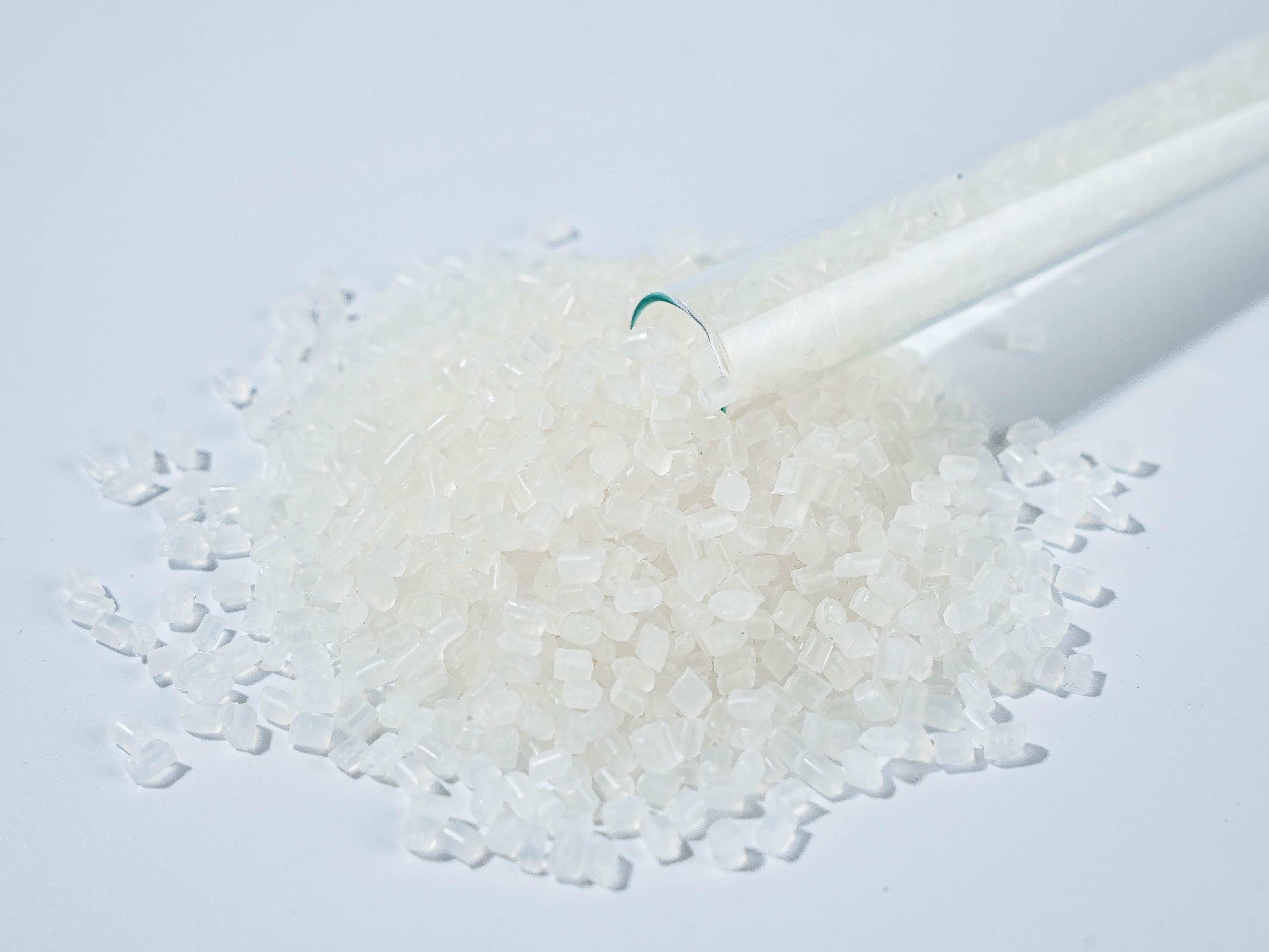
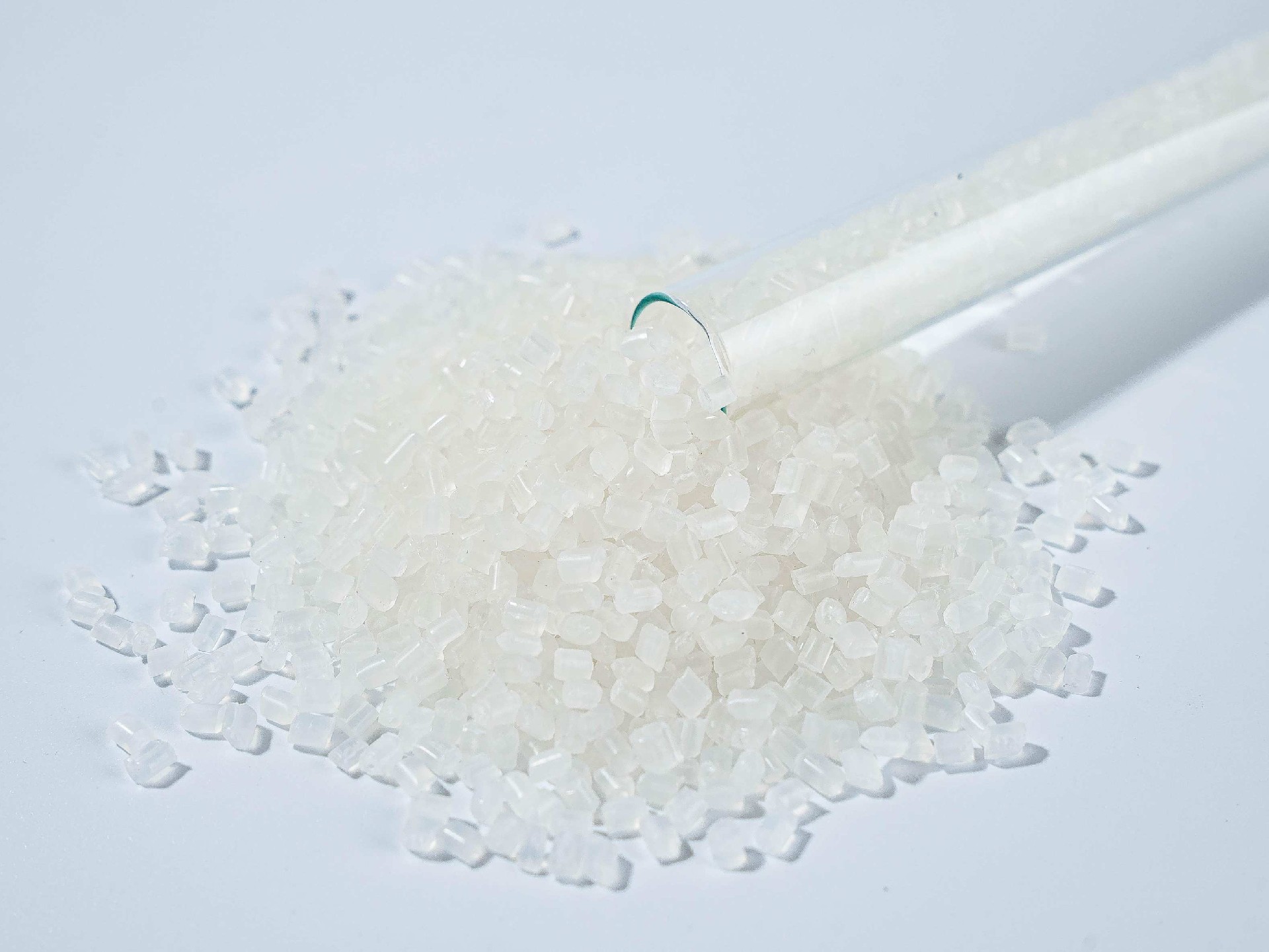
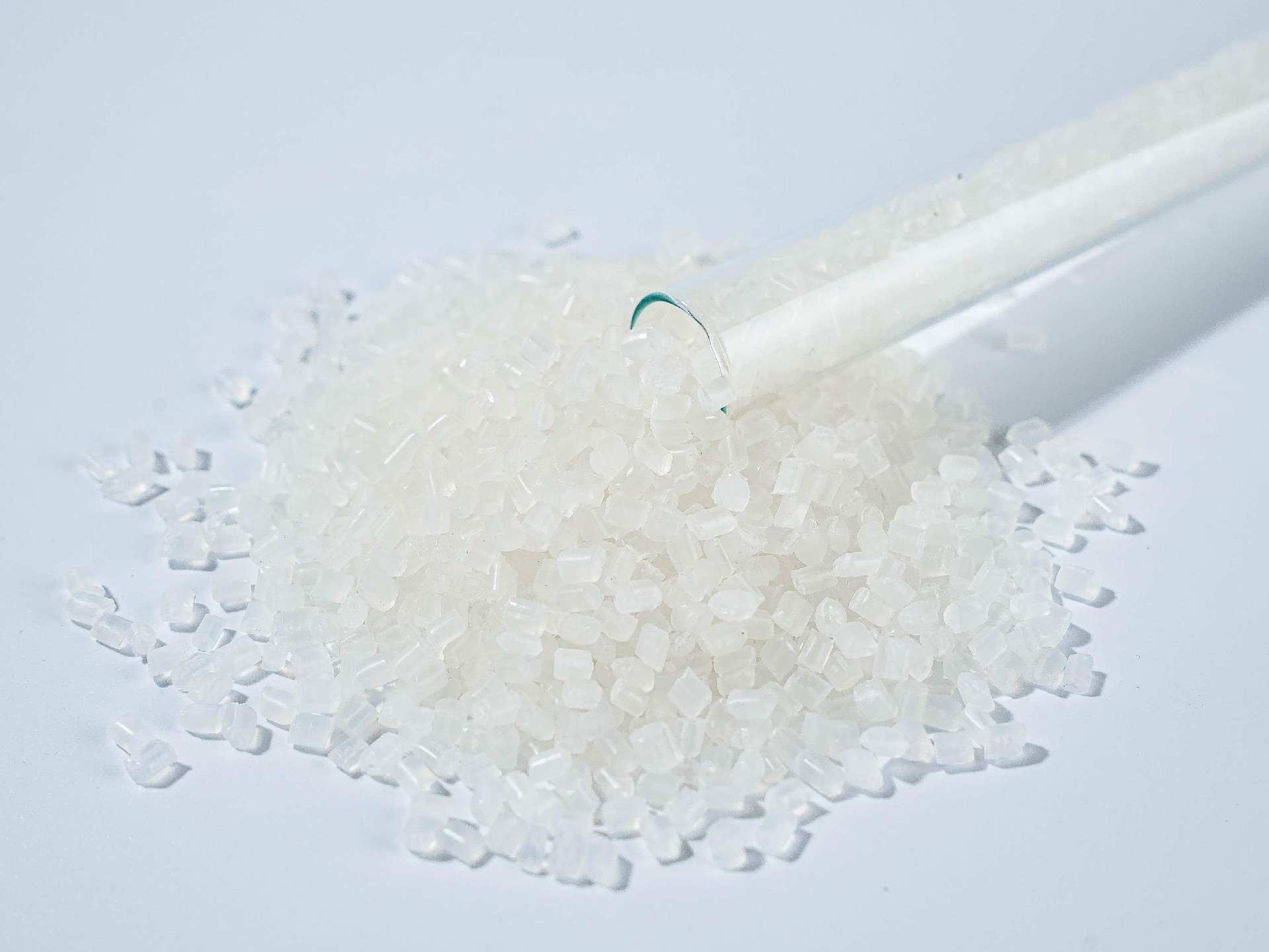
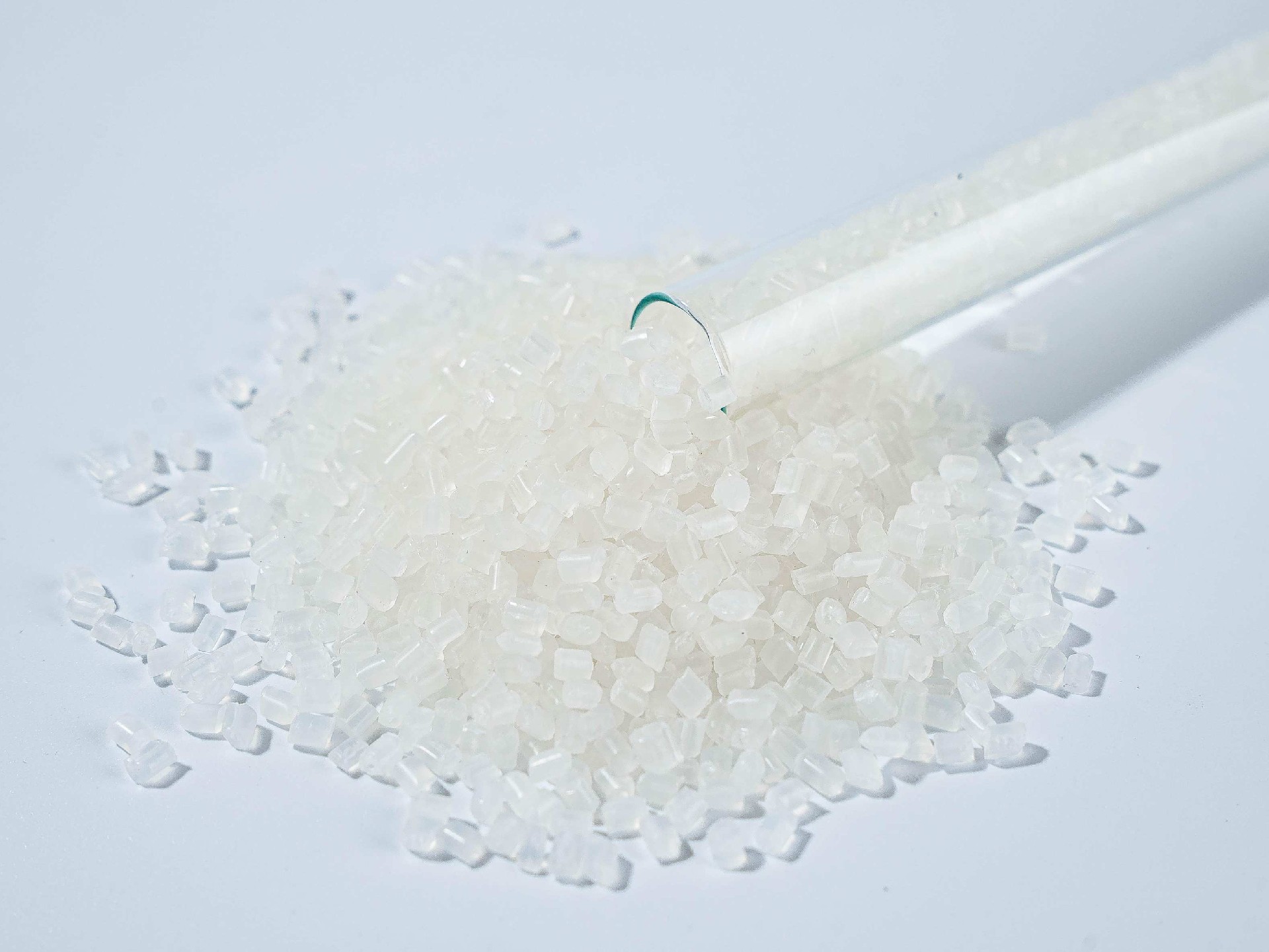
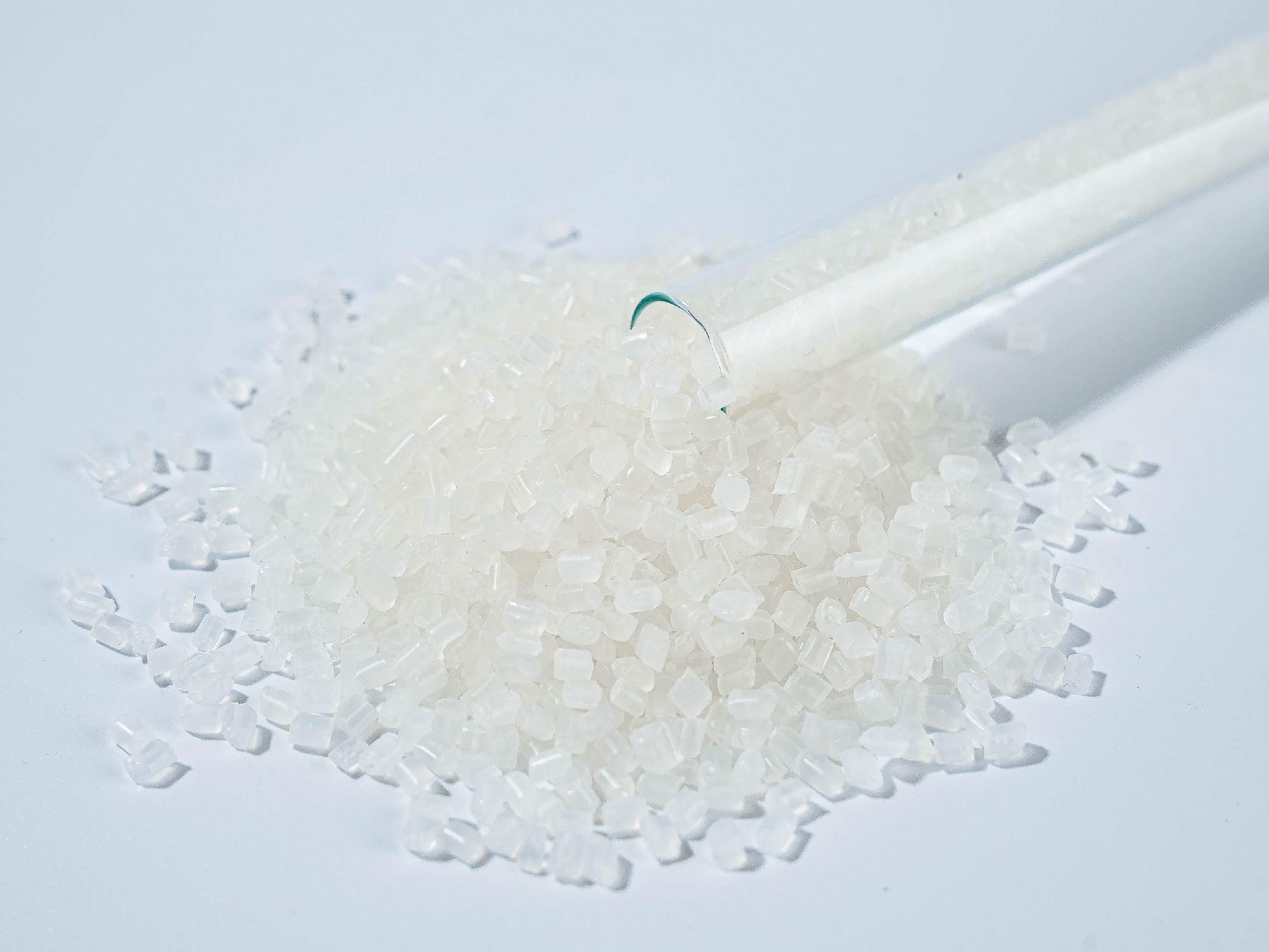
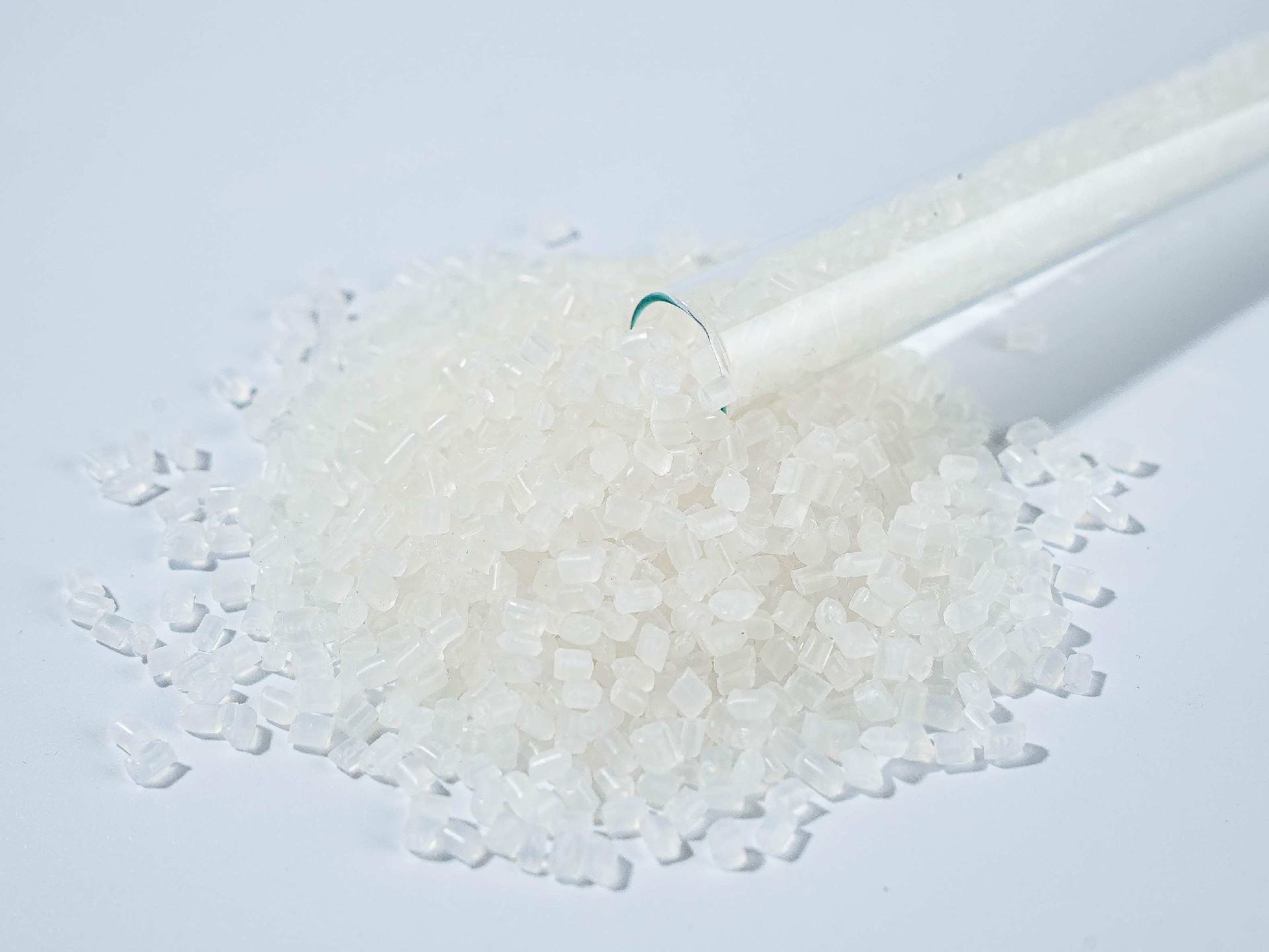
To withstand drops, the core is to improve the material’s impact toughness while also balancing the rigidity, heat resistance, and dimensional stability required by the housing. High-impact toughened nylon uses elastomeric toughening agents (such as maleic anhydride-grafted EPDM, POE, etc.) and fine control of the nylon matrix to form numerous crazes and shear yield bands in the matrix that can effectively absorb impact energy, thereby significantly improving notched impact strength and allowing the housing to “deform first and absorb afterward” under impact rather than “fracture directly in a brittle manner.”
Impact resistance is usually evaluated at two levels. The first is material-level testing: Izod notched impact strength is generally measured according to ISO 180 (equivalent to the national standard GB/T 1843). High-performance grades can claim Izod notched impact strength of more than 35 kJ/m² at 23°C, which is a direct yardstick for “whether the material itself is impact-resistant.” The second is product-level testing, namely complete-unit drop testing: taking a common handheld power tool drop test as an example, the complete tool is freely dropped from a height of 1.5 m onto a concrete surface, with a 5 kg drop weight to simulate a fully loaded condition, and no housing cracking after 10 consecutive drops is an intuitive acceptance criterion for measuring “drop-proof” performance. Only by combining material-level and complete-unit-level data can one determine whether a grade is truly suitable for power tool housings.
It should be noted that high-impact toughened nylon does not mean adding toughening agent without limit. The more toughening agent added, the more obvious the decline in rigidity, heat resistance, and dimensional stability, and the housing may instead deform under high temperature or long-term load. A mature solution is to find a balance among impact resistance, rigidity, and heat resistance through an “appropriate toughening system + matrix control,” rather than blindly pursuing higher impact values.
IV. Material Selection and Acceptance: Don’t Be Fooled by a Single “Toughness” Number
For power tool manufacturers and mold makers, the most common misconception in material selection is “only looking at whether impact strength is high.” The evaluation of high-impact toughened nylon should be an indicator system: notched impact strength (for impact resistance), flexural modulus and tensile strength (for rigidity), heat deflection temperature (for heat resistance), hygroscopicity and dimensional stability (for long-term reliability), plus long-term items such as oil resistance and aging resistance. Only by looking at these indicators together can one determine whether a grade can be “drop-resistant” without sacrificing the rigidity that the housing should have.
Particular attention should be paid to the hygroscopic characteristics of nylon—after absorbing water, nylon’s impact strength changes significantly, and data may differ greatly depending on whether test specimens are in a dry or conditioned state. During material selection, it is essential to confirm that testing is completed under uniform standards and uniform conditioning conditions, and to request the standard numbers on which testing is based as well as test reports recognized by third parties or finished-product manufacturers. For product-level tests such as drops, it is even more important to use actual housings and actual assembly states, first conducting small-batch trial molding and complete-unit drop verification, and then switching to mass production, so as to avoid the embarrassment of “passing at material level but failing at complete-unit level.”
V. Practical Recommendations for Upstream and Downstream Customers
For material suppliers, rather than reporting only a single impact value, it is better to make “dry/conditioned impact strength, rigidity retention rate, and batch consistency” into a traceable data package, and to cooperate with finished-product manufacturers in completing drop verification, helping customers build confidence at the trial molding stage. For power tool finished-product manufacturers and mold makers, it is recommended that drop testing, notched impact, and rigidity be written into the housing material selection specification at the same time, and that suppliers be required to provide complete verification records from pellets to parts; as a complete-unit-level acceptance item, drop testing must have unified test conditions (drop height, base surface material, weight mass, number of drops) to ensure that results from different batches and different suppliers are comparable.
Housing cracking is never a trivial matter. For power tools, a “drop-proof” housing saves after-sales costs and wins user reputation. The material selection upgrade to high-impact toughened nylon is turning “fear of dropping” from an industry pain point into a standard product feature, and it is also a key lesson that finished-product manufacturers and material suppliers must jointly address. After all, choosing the right housing material often solves both after-sales and reputation issues at once.